Football Analytics and Soccer Betting Strategy
Football analytics gives punters a better way to assess teams than simply looking at the ladder or recent scores. Metrics like expected goals, shot quality, home advantage, rest days, and team style can reveal whether a club is overperforming, underperforming, or being mispriced by the market. This category focuses on using data to make better soccer betting decisions.
What Expected Goals (xG) Means
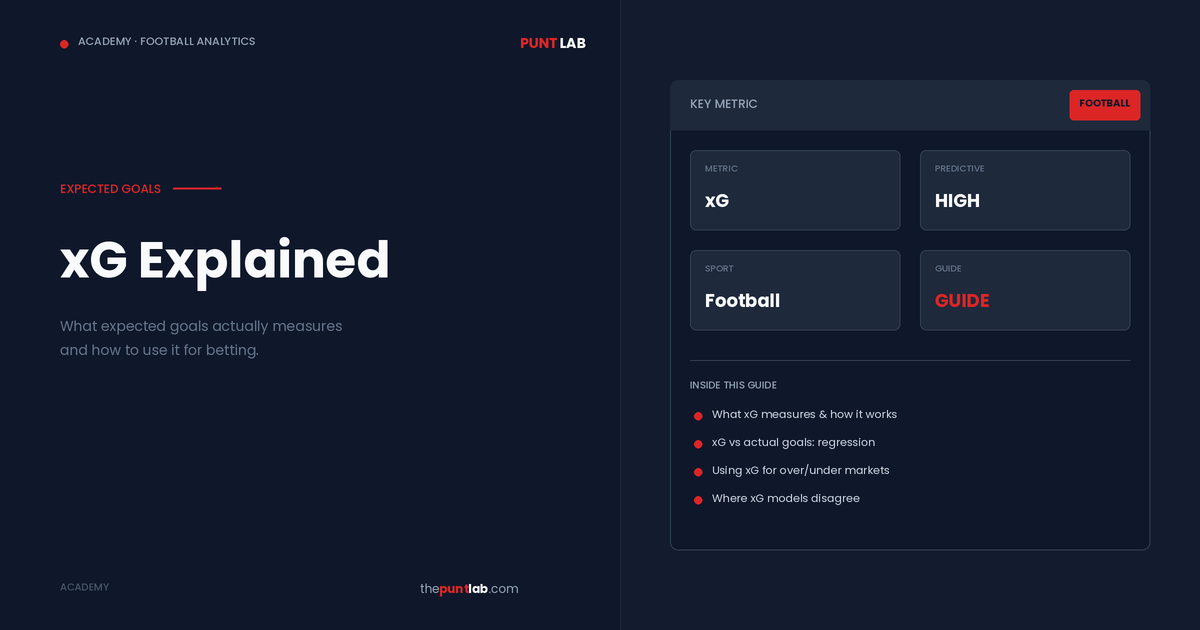
Expected goals, or xG, measures the quality of chances created and conceded. It helps punters look past scorelines and understand how a match actually played out. A team that wins 1-0 while conceding multiple strong chances may not be as solid as the result suggests. Our guide to xG betting strategy explains how to use expected goals in practical betting analysis.
Popular Soccer Betting Markets
Some of the most common football betting markets include match winner, both teams to score, over/under goals, Asian handicap, and draw no bet. These markets all reward slightly different types of analysis. For example, totals and BTTS markets often depend heavily on chance quality, game state, and team style, while handicap betting relies more on overall strength and pricing accuracy.
Why Home Advantage and Scheduling Matter
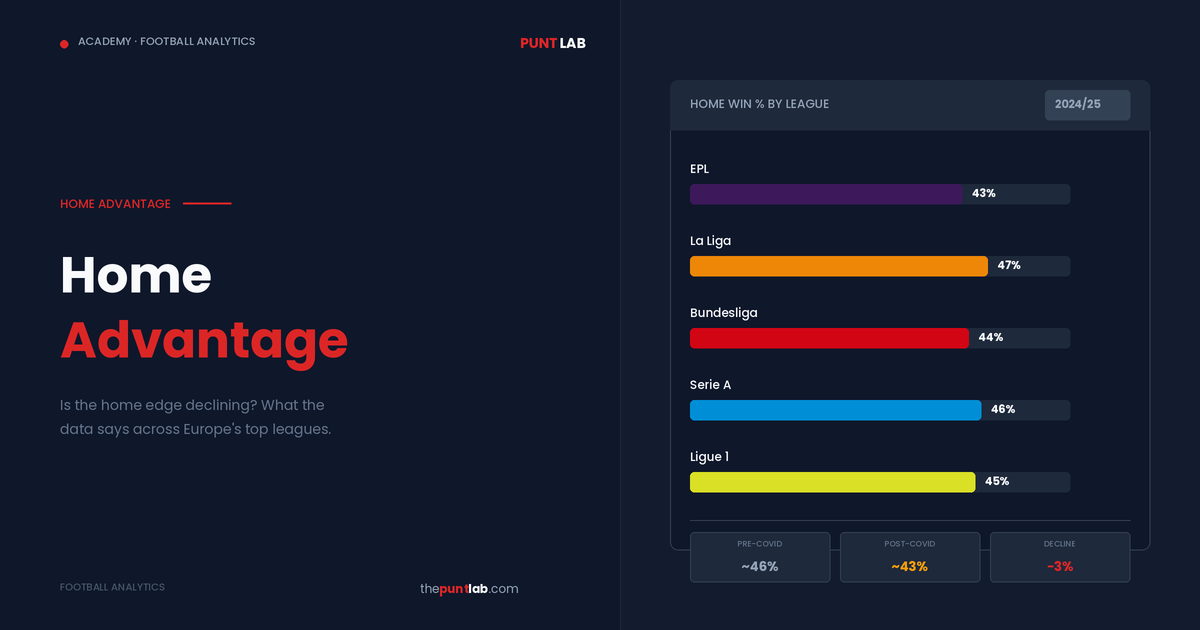
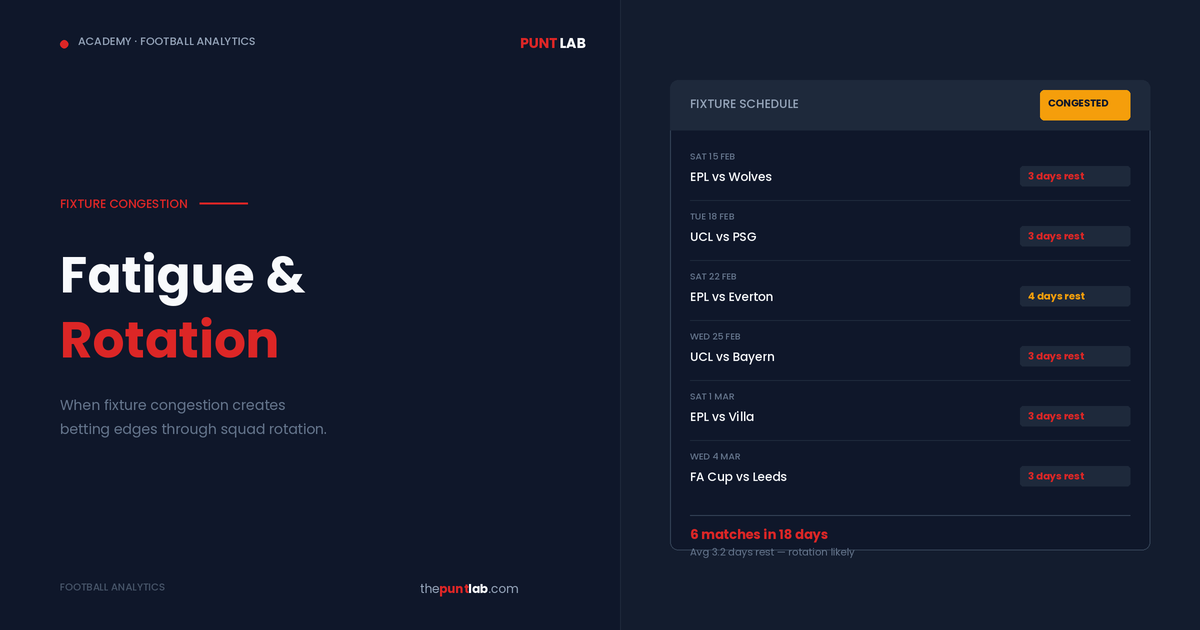
Home advantage still matters in football, but it does not affect every league equally. Travel, crowd pressure, pitch familiarity, and officiating patterns can all play a role. Scheduling matters too. Teams involved in European competitions or tight domestic calendars often rotate players, manage minutes, or produce flatter performances after heavy fixture congestion.
Using Team Data to Find Value
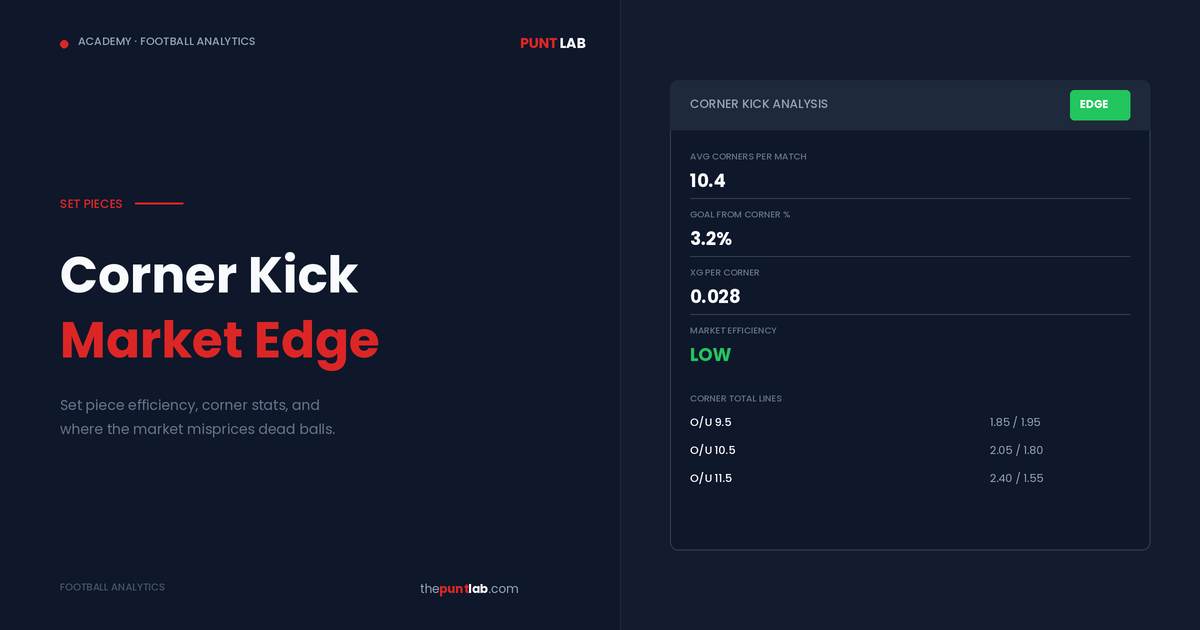
Good football betting analysis looks at more than wins and losses. Shot volume, xG difference, defensive structure, pressing intensity, set-piece strength, and conversion rates can all highlight teams that are stronger or weaker than public perception suggests. Our data hub pages for the Premier League, La Liga, Bundesliga, Serie A, and Ligue 1 help turn those numbers into practical betting insight.
Related Betting Education
If you are still learning how odds and markets work, begin with Betting Basics. For staking, expected value, and bankroll discipline, continue into Strategy & Math.